Varun Verma MD
  • About
  • Writing

Why We Should Be More Alarmed About Ebola (and Our World in General in 2014)

10/17/2014

0 Comments

 
Trying to persuade people to care about strangers in far away lands is always tiring. Perhaps the saddest part about human suffering is that it is infinite. Every week there is some new disaster in the headlines; an earthquake in Haiti, floods in Pakistan, typhoon in the Philippines, civil wars, dictators in Syria, insurgents still in Afghanistan and Iraq, and a new entity called ISIS. The list of things making human beings endangered is literally endless (I forgot global warming). Last month when I commented to friends that we shouldn’t just reminisce about disasters (like 9/11) on anniversaries — I was promptly advised to not dwell on things because it’s depressing.

In the midst of all of this carnage, somehow all of us still carve out time for the FIFA world cup, another celebrity picture leak, sexy Halloween-costumes, and social media memes involving ice buckets. There seems to be an entitlement that despite the collective suffering of billions, we somehow owe it to ourselves to go on having a jolly good time. To do anything less would be giving in to evil. Unfortunately, I think that this has bred a culture of superficial activism actually hiding apathy and leading to a collective inaction. ‘The problems are so big, that what else can I do but donate $50 to my friend running the NYC marathon?’ Despite having worked in Haiti and rural Nepal the last two years, I find myself equally as guilty of forgetting other peoples’ problems the moment I land on American soil. My biggest concerns in the middle of a stretch of night shifts in the hospital are me, my food, and I.

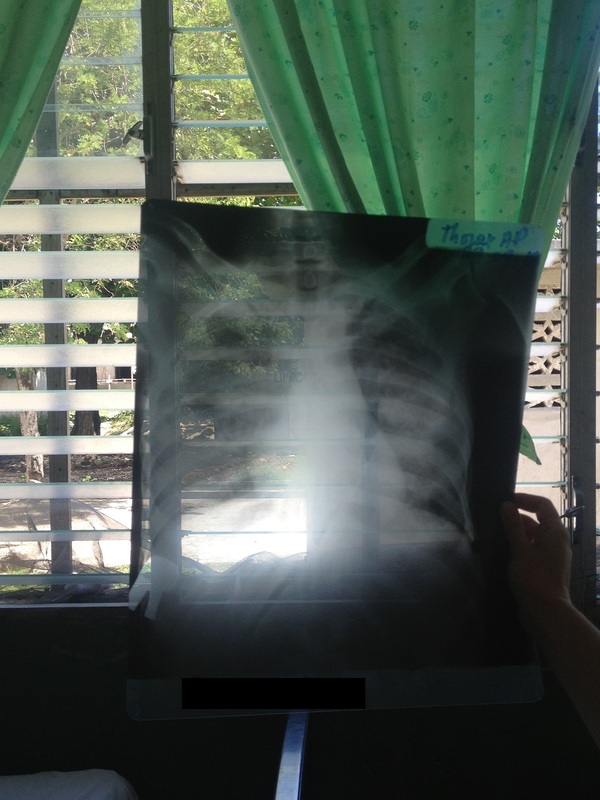
Currently #Ebola is trending like wildfire (ie. like Ebola itself) on the internet. The American public is being fed a very different message from the reality facing Africans; that everything is going to be fine. This is despite thelatest figures that reveal 9000 cases and the death toll surpassing 4500. The response from American officials is essentially ‘keep calm and carry on’ — that polar icecaps melting, or another aviation disaster will kill you before that rare and remember-it’s-not-airborne virus (after all it’s only one dead patient and 2 American nurses that were infected from direct bodily fluid contact). A perfect example of this was a recent article on Bellevue Hospitalin NYC (where I happened to train in Internal Medicine) that revealed it ‘could treat up to four patients with confirmed cases of Ebola in isolation units.’ Prepared! With four isolation rooms? The WHO has calculated that by December in West Africa there could be 10 000 new cases per WEEK. If… and I am not saying when, there were to be more cases in America — it would be magnitudes more than four.

Potential American apocalypse aside, what we really need is the world coordinating its help around African nations to contain the chaos, and to ensure this does not happen again. The media has been abuzz with reports that a certain billionaire had given $25 million to the CDC foundation to stem the fallout, but no one bothered to question — for what purpose? In reality when the on-the-ground forces taking care of patients in West Africa are actually MSF (Doctors Without Borders), Partners in Health, Last Mile Health, and major needs are to get an adequate number of local health professionals working, what good is it giving more money to an organization that already has a $6.9 billion budget (and is US-based)? In any case, money by itself clearly doesn’t solve problems. However, before seeingdisorganization first hand in post-Earthquake Haiti, I never realized that getting money into the right hands in a timely manner is more complex than quantum mechanics. All the Ebola Czars, committees, subcommittees and specialty groups aren’t going to solve that. We already know where to send the money, and yet we consistently fail to deliver.

It’s becoming apparent with every major disaster that those in charge of protecting the most vulnerable in society have little clue of how to actually coordinate care. ‘Experts’ are a dime a dozen, and few with actual real world training in matters of mass mayhem. What is also apparent (in the words of PIH co-founder Dr. Paul Farmer) is that some lives matter less than others. Look at what we as a society value in 2014. A computer company churns out a new cellphone and 20 million people make a purchase within 1 month. A disease kills 9000 Africans, and ten months later agencies are still debating what is the best course of action. Investors are more rattled by bad video-on-demand sales figures, wearable fitness trackers (useless), and a Chinese company IPO than they are interested in investing in R&D efforts for things that actually could save lives. There has been an outpouring of volunteers (PIH reported thousands of applications for field staff immediately on request), but there have been little promises of better capital investment (build better infrastructure). Gloves and masks are easy to scrounge together from donors and funds- but it’s always an issue when governments in peril ask for assistance to build stable hospitals (not tents), or train more workers and actually pay them (and not rely on expat volunteers). Clearly there are many groups that realize the tremendous importance of this-but they are vastly outgunned by the problem at large. Larger groups in a position to help instead keep holding meetings.

I am not suggesting that everyone drop everything and start working on Ebola, but the slow response to the epidemic is a symptom of a malignant disease in our society. It’s interesting to look back at history and see that the world canceled the Olympics twice during World War II. Yes, war is different from infection, but in the end it’s devastation all around. We actually don’t even respond to war in the same way anymore (how many multi-year conflicts are still burning bright?) Instead now we talk in awe about how Twitter helped the Arab Spring (what exactly happened with that again?), click thumbs-up on links, and re-post videos of harrowing experiences of those in the middle of the action. We observe, applaud, and do little. No matter where or from what the end comes for any of us — warming, wars, or wildfire (Ebola) — the fundamental lack of concern for ‘other’ people across imaginary geopolitical borders has always been the problem. The good intentions of a select few are not enough. We all need to start not only being thankful for what we have (as the ubiquitous self-help gurus teach us), but figure out how we can also get others some relief from their misery.

We should be terrified of Ebola. It requires no vector except infected bodily fluids (unlike Malaria and mosquitos which kill 600 000 people per year), there is no specific treatment so far (only ‘supportive care’ which amounts to fluids, rest and monitoring), and even when we get a vaccine — the work of Edward Jenner 200 years ago, and more-recently the Gates Foundation pouring billions of dollars into health has shown that even when you make prevention free — you still fall short. The so-called experts are correct though; since American medicine is littered with doctors, nurses, PAs, NPs, naturopaths, chiropractors, reiki healers and billion dollar healthcare facilities — we lucky few in the United States — are probably going to be fine. Though we should be terrified for our fellow humans facing endless suffering in environments where they have nothing close to the resources that they need. Lets put aside our $700 cell phones for a second and figure out what concrete steps we can take. Doing nothing is certainly not an option — clearly that has not worked out very well for anyone in the past.

Varun Verma, M.D. is a board-certified Internal Medicine physician who splits his time as a Hospitalist at Brigham and Women’s Hospital (Boston) and as a Senior Clinical Advisor to Possible (Nepal) 

@VarunVermaMD
0 Comments

Fate

8/11/2014

1 Comment

 
Picture

‘Statistics are human beings with the tears wiped off.’

“I won’t be here next month.” Ten years ago I walked into my very first patient’s room as part of my medical school physical diagnosis course. I was momentarily confused- but thankfully I did not naively blurt out “why?” I noticed her pale skin and her bald head and felt like I had intruded because she was sitting upright in the hospital bed with her legs crossed and hands in her lap, almost as though she was meditating. She continued — “sometimes I go to the mall and I sit there eating and watch other people and think: I won’t be here next month… but they still will.” I’ve thought about her often during the past decade- not only because that brief encounter with her taught me a lot, and not because I have had many patients with cancer since then… On my flight from New York to Kathmandu it occurred to me that I am now the age that she was when she died a few months later… 32.

Illness is a burden we must all someday face. My young American patient had access to a tertiary care hospital with the latest diagnostics, treatments and the expert knowledge of sub specialists, and yet she still died. In stark contrast to this- many sick people throughout the world do not even have the illusion of adequate access to healthcare, and subsequently no hope. There are of course exceptions; and while I was in Haiti I learned that Project Medishare is organizing chemotherapy for patients with cancer (as has Partners in Health an organization that believes health is a human right). Based on current WHO statistics, residents of Sierra Leone have the shortest life expectancy at birth – and at around 47 years, this is a shocking four decades less than Monaco (supposedly the country on top of the list). Of course figures do not capture the lives cut short of people trapped in the midst of dozens of serious armed conflicts worldwide. Essentially, people endure a tremendous amount of suffering due to the misfortune of the place of their birth. In rural Nepal where I now work, the primary culprit of misery is how far away people live from the care they need. A close runner up is whether or not adequate resources are on hand once they finally arrive…

Those of us lucky enough to live in places where we do not face moment-to-moment struggles for survival sometimes forget that people cannot just will themselves into better conditions. This is as much the case for homeless people in New York City as it is for poor people worldwide. Contrary to beliefs that simply ‘working hard’ will lead eventually to a better life, most people are trapped so deep in vicious poverty that climbing out is infinitely more impossible than the rags-to-riches stories that we are all fed by Hollywood. In desperate situations the prerequisites for change simply do not exist, nor are their options to just start over by escaping to another reality. Although global health statistics may widely show things are improving for the worlds’ most vulnerable (in terms of metrics like under-5 mortality), they fail to capture individual stories of tragedy. In the drowning propaganda of social media these stories rarely ever reach us, unless of course a minimum threshold of death and destruction is met to make it interesting (think 300 000 dead during the 2010 earthquake in Haiti).

Anyone that has worked in resource poor settings realizes quickly that a fundamental problem is the absolute lack of lifesaving technologies – some of which have existed for more than half a century (for instance the mechanical ventilator or ‘breathing machine’ for patients with respiratory failure). Another major factor is the limited skill set of local providers (we face the same deficit of specialists in undeserved parts of the United States). All of this leads to astonishingly high levels of horrific endings for people that have little joy to begin with. As a physician, it is never any less jarring to face a family member when their loved dies, or to hear statements escape lips such as ‘she lived a long life’ referencing 40-year olds.

Recently, I walked into the ER and saw a Nepali health assistant working on a 11-year old boy who had fallen fifteen feet (out of a tree apparently). By the time I saw him. his pupils were dilated and barely reactive to light, and his breathing was getting worse. The tremendous coordinated response we enjoy in the U.S. is not the norm in most parts of the world- from the ambulance actually showing up, the ER providers waiting, and the trauma team of surgeons on call. Were the boy not in rural Nepal he may have had access to a stat CT-scan allowing 3D visualization of his skull and brain. In reality, it took the family half a day to travel to the hospital. After this, the patient received a thorough neurological exam by our team (a group of generalists) and xrays of his C-spine and shattered left leg. What followed was debate among our team as to whether there was any ‘point’ in sending him for the grueling 12 hour jeep ride to the next hospital where there was a CT scanner (yet no Neurosurgeon to do anything about whatever catastrophe resulted inside his head). Given his clinical condition, he wouldn’t have survived the journey anyway.

Things will not change by themselves. We must have greater aspirations in healthcare delivery in impossible places, and strive to augment vaccinations, antibiotics and preventative measures such as mosquito nets with a focus on modern marvels that can safe life and limb. The knee jerk response to investing in healthcare in undeserved areas is often ‘we can’t afford to pay for it,’ or in other words to label it unrealistic. Yet consider the world we live in now where ‘poor people’ who barely have access to safe water or a toilet may in fact carry cell phones. This dichotomy has shaped aspirations of companies like Internet.org (Facebook) that think it more important to bring free internet to the bottom billion than free healthcare. They would be wise in worrying less about creating customers, and doing more to keep existing ones alive. Every young person that dies due to lack of access to healthcare sends a powerful message to our fellow human beings- that some lives really do matter less than others.

Varun Verma, M.D. is a board-certified Internal Medicine physician who splits his time as a Hospitalist at Brigham and Women’s Hospital (Boston) and as a Senior Clinical Advisor to Possible (Nepal) 

@VarunVermaMD
1 Comment

Week 1 in Far Western Nepal: Remote Doesn’t Begin to Describe It

7/21/2014

0 Comments

 
After my 23-hour New York-Doha-Kathmandu flight, I was lucky enough to have two days to decompress in Nepal’s capital. It reminded me of Delhi with its traffic congestion; where scooters and bicycles make 6 lanes where 3 should exist, and the unavoidable baseline level of smog. It does have magnificent historical sites though, and I managed to visit an ancient Hindu temple dedicated to the lord Shiva, as well as a Buddhist stupa called Boddnath. I fortunately also ate lots of momos — a Nepalese dish that looks and tastes like Chinese dumplings — my diet since then has consisted of rice, lentils and vegetable mash.

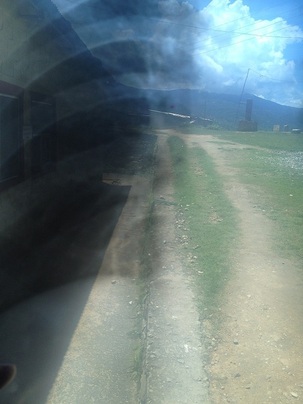
On day three, I began my travel to Achham, where Possible is based (it was called Nyaya Health previously: after the Sanskrit word for justice). One must fly from Katmandu to Dhanghadi (only about an hour away), and then take a jeep ride the rest of the way to Achham (which is in the far western region). Locals told me the name originated from Achha Aam ‘good mango’ in Hindi, and I can confirm that they are great. The domestic flight on Buddha Air treated me to sweeping views of the Himalayas (not Everest though, which is in the opposite direction). Though only a few hundred miles, the drive from Dhanghadi to Achham ended up taking 10 hours. The roads were fine for three quarters of the way, despite consisting of blind turns on un-barricaded sheer cliff-fronts. The final stretch was tremendously muddy, unpaved and bumpy; with semitrailers screeching down winding mountain roads in the opposite direction to us. Arriving in Achham at midnight I was greeted with modest accommodation consisting of a mat on a concrete floor (but thankfully with a ceiling fan). I was also somewhat agitated that standing in the bathroom/toilet was impossible because the ceiling was 5'5. I was annoyed at myself because my temporary ‘problems’ were clearly trivial compared to the struggles of the patients we serve. Welcome to Achham, where we are making ‘healthcare possible in the world’s most remote places’ (that is Possible Health’s philosophy).

Bayalpata hospital sits atop a hill (mountain by my standards). It was a government facility that was closed for many years, until Nyaya Health and it’s young founders rehabilitated it six years ago. It now operates as a partnership with the Nepal Government- has a coverage area of 45 000 patients, an inpatient ward that has 30 beds, and sees around 250 patients a day in outpatient clinic. The hospital has treated more than 170 000 patients since it opened. Health assistants (the mid-level providers in Nepal) do the majority of outpatient clinic, with the MBBS doctors doing the ER and inpatient wards, and two MD-GP docs doing amazing things like C-sections, skin grafts, toe amputations, and anything else that is thrown at them. We do not have general surgeons here, and complex cases are referred to a larger tertiary center back in Dhangadhi.

One of my first days here I decided to join one of the American co-founders of Possible on a walk back to my room down the mountain. He assured me it was shorter than the 5km road, only 20 minutes and ‘through the jungle.’ It ended up taking nearly an hour, in 38-degree Celsius heat (100F for you Yankees), down a challenging rocky incline (both of us in business attire and entirely incorrect footwear). I definitely was not keen to do that again, but being a motorcycle passenger the next day going down the mountain without a helmet was terrifying. I requested to be moved on campus and the Possible Health team graciously agreed. I now live in a dorm with the three young M.B.B.S. doctors who I serve as supervisor, clinical adviser, coach and educator for. The freshly minted MBBS docs look like they’re 16, but have a far superior book-knowledge than I did at their stage of training. They lack experience in real-life medicine though, so this is similar to July 1st in the U.S. when interns take over the old guard every year.

Patients here share in the misery of millions of others around the world. They have inadequate access to healthcare facilities, and are forced travel far across mountainous terrain to get any sort of medical attention. Two days ago I wandered into the ER and saw a health assistant suturing the hand of an infant. As I approached closer I realized what he was really doing. He was removing 10-15 writhing maggots from the remnants of the poor child’s limb — which was black and had been scalded by hot cooking oil eight days ago (sadly a common accident in remote areas where cooking is done in single room abodes). The parents had tried herbal remedies at home for two days, then gone to a health post where they were told nothing could be done. After this, they walked 10 hours to a bus stop, and took the half day journey to get to Achham. Now that we had disinfected the mangled limb, bandaged it, given the child pain medicine and antibiotics, there was nothing to do but arrange transport to a larger center. There was no escape from the harsh reality that the hand would have be amputated. As if the child had not been born into enough challenges…

Much remains to be done to ensure people around the world have access to the healthcare they deserve. In the end, the success of organizations such as Possible relies on local professionals providing this important service. There can be no global health without local staff. Possible has so far done an excellent job of employing and retaining Nepalese physicians, health assistants, nurses, and community healthcare workers. The system definitely does not rely on the presence of outsiders such as myself. Locals have options too, and could have found higher paying jobs in Kathmandu. Instead, they are here — where their patients need them, doing their job, and living in modesty. No matter how much ‘hardship’ outsiders experience in working outside our comfort zone, the reality is that eventually we get to go back to privileged lives back home. ‘More action, less applause’ — that will be my mantra over the next 12 months — much remains to be done.


CLICK HERE FOR PICTURES BY VARUN VERMA

Varun Verma, M.D. is a board-certified Internal Medicine physician who splits his time as a Hospitalist at Brigham and Women’s Hospital (Boston) and as a Senior Clinical Advisor to Possible (Nepal) 

@VarunVermaMD
0 Comments

Hopelessness in Haiti. Four Years On: One Person's Story

3/12/2014

1 Comment

 
Picture
“There is no hope for me here anymore.” It had been a month since I had spoken to J.D. and I felt guilty because working hospital night shifts in San Francisco had temporarily removed me from the world of daily Haitian struggles. He sounded more despondent than usual and went on to report that his wife was now (accidentally) pregnant with their third child. Last year she had started a five-year nursing school program, and he seemed ashamed, probably because he knew how challenging it had been to raise donations for her tuition from a small group of my friends. He also lamented that he was still without work, 14 months and counting, with only a few days of employment in between.

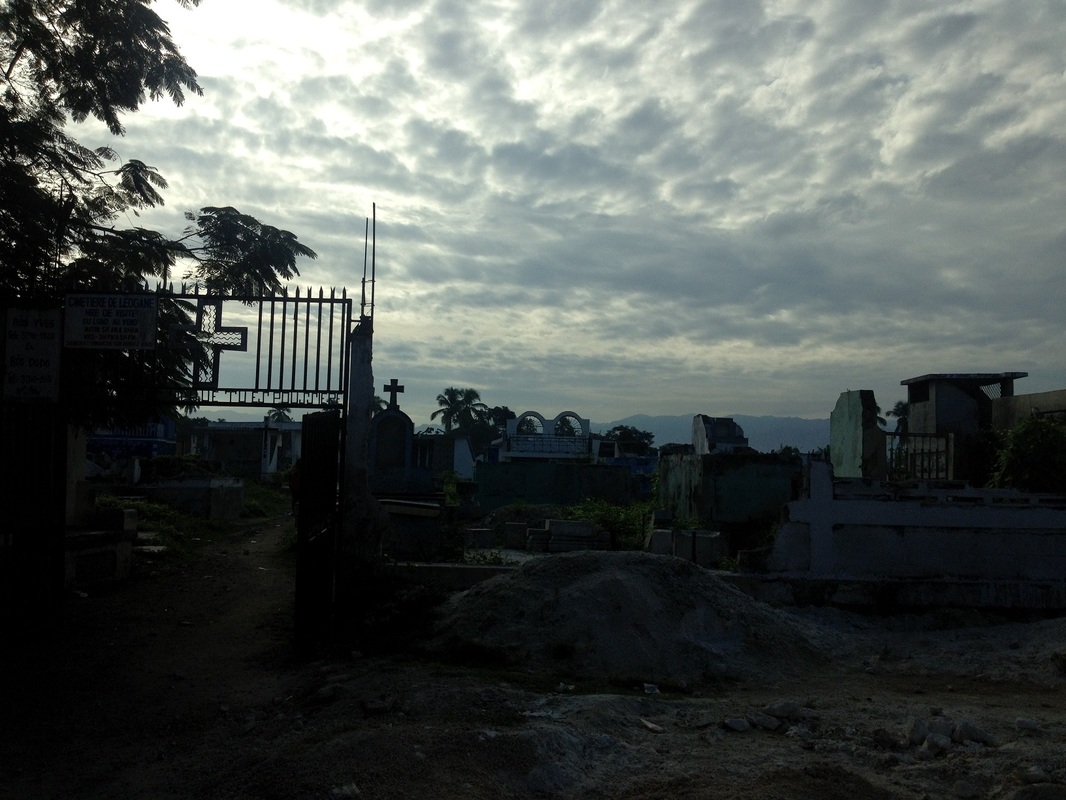
I had first met J.D. two years after the 2010 earthquake – he had been my assigned interpreter when I worked in Port-au-Prince as a physician volunteer. He never spoke of the event that that killed hundreds of thousands and left a million people homeless including his family. I was immediately struck by how his clothes were immaculate despite still living in a tent (where did he wash and how did he iron them I wondered). What impressed me more though was the quiet genius of the gaunt young man who studied chess strategy in his free time. While I managed my email inbox or surfed the web during breaks, he would pull out a photocopied textbook from his backpack and read intently. He was fluent in Kreyol, French, English, and was even teaching himself Spanish. One day he had casually mentioned to me that he dreamed of being a physician, and I in turn pretended to not hear him. In reality, my heart sank and I was speechless. I could envision no situation in which he could return to school and continue on to university and medical studies while simultaneously being responsible for his two young daughters.

Long before the earthquake, fate had cursed J.D. when he was forced to drop out of school in 9th grade because his father could not afford school fees and needed him to contribute to the household. Unsurprisingly, opportunities had been limited since then due to his lack of formal education. When the Haitian capital was flattened on January 12, 2010 he was already struggling financially, having to live apart from his wife and two daughters who had moved in with his in-laws. Miraculously no one was hurt. The more time that elapsed since the disaster, as not-for-profits no longer required many interpreters, the more infrequent work became. Sadly, I learned quickly in Port-au-Prince and in rural areas alike that many Haitians shared in his misery. Talented multilingual Haitians would consistently approach us and implore us to hire them as their interpreters, drivers or “fixers.”

While jobs are being created in Haiti (eg. TOMS shoes has opened a new factory) they are a small fraction of what is required to address the raging 70% unemployment rate that is estimated in the country. Even though so called free trade zones with clothing factories have sprouted up in select locations, families often cannot uproot themselves and move from what little social support or security they may have. Additionally, debate continues as to whether such jobs are anything more than sweat shops where workers cannot earn a livable wage.

Speaking to Haitians it becomes clear that although charity, support from not-for-profits, and the work of well meaning volunteers are all imperative in protecting endangered people, what Haiti really need is jobs. Haitians are ready, able and eager to work and desire a sustainable means to support their loved ones. Haitian President Martelly has attempted to lure foreign investment by stating that Haiti is “open for business,” and Bill Clinton, a staunch advocate for Haiti said he envisions it “building back better.” There are mantras – and then there is the reality four years after the tragedy faced by many everyday Haitians who have again somehow been left out and left behind. It remains to be seen if Haiti can truly capitalize on its proximity to the US, a “cheap” labor force, and an untapped tourism industry hinging on the same magnificent Caribbean coastline that its neighbors have exploited. What is certain though is the tremendous stress faced by ordinary people like J.D. who are left to navigate with uncertainty, negotiate constant challenges, and overcome daily hurdles unimaginable to those of us living elsewhere.

Varun Verma, St Marc Haiti 3/2014

1 Comment

Two Worlds: Healthcare Disparities in the Developing World 

2/19/2014

0 Comments

 
Originally appeared in The Hospital Leader: 
http://blogs.hospitalmedicine.org/Blog/two-worlds/

Anyone who has worked in Haiti quickly realizes that injustice abounds. I had rushed into the cramped curtained off area and found the pregnant woman with her eyes rolled back to 2-o’clock. She was not responding. Even when I yelled to wake her or when I rubbed her chest forcefully with a clenched fist, she lay silently drenched in her sweat. Moments later though, she started shaking, and her head, chest and arms lifted up violently off the bed repeatedly as she seized. A nurse tried valiantly to re-check the blood pressure (the first reading had been 70/40). When I asked what had happened, one of two foreigners (apparently midwives) standing in the labor and delivery area shrugged and casually informed me that the patient had been seizing for an hour. An hour? I told the nurse to drop the BP cuff and draw up 1000 milligrams of phenobarbital (the only anti-epileptic available at our hospital).

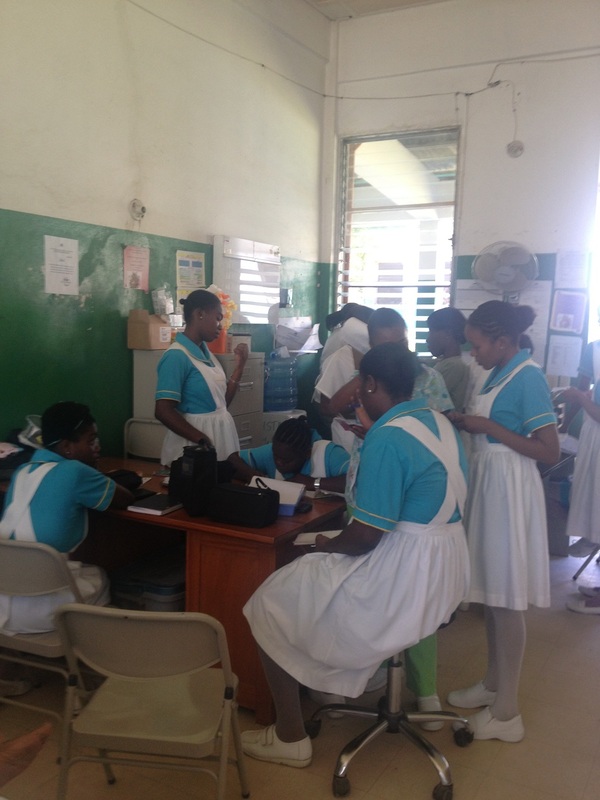
Practicing medicine in rural Haiti is in stark contrast to the United States, where as a hospital medicine physician — I am privileged to be surrounded by specialists, have multidisciplinary help in every field imaginable from social work to physical therapy, and access to seemingly unlimited resources. My local colleagues in Haiti; whether physicians, nurses, pharmacists or administrative staff function in a system where an individual wears infinite hats, and recognition for their effort is often lacking. Contrary to ignorant beliefs, Haitian professionals have options too, since they could get better paying jobs in the capital or even overseas — apparently 80% of Haitian trained doctors do end up leaving the island. Local staff is no less zealous than outsiders about ensuring social justice in the resource limited settings in which they work (though they may lack the twitter or blog posts to advertise so).

As part of my global health hospital medicine fellowship at UCSF I have been working in a Haitian Ministry of Health (MSPP) hospital in Hinche, a town in the mountains three hours from Port-au-Prince. My primarily responsibilities include teaching the social service residents during rounds (medical students who have graduated but not completed a residency), sometimes consulting on cases throughout the hospital, and rarely direct patient care. The system does not reply on my presence, and unsurprisingly Haitian doctors manage just fine during the six-months of the year I work in San Francisco. In reality, I learn a tremendous amount from my Haitian counterparts — professionals who practice medicine with limitations unimaginable to those of us accustomed to 21st century marvels. When I first arrived, I was distressed to discover that diagnostic capabilities consisted only of malaria smears, rapid HIV testing, and hemoglobin/hematocrit. On top of this I ran into insufficient lab reagents, broken EKG leads, and no defibrillator. I was however grateful for the availability of xray and portable ultrasound. By the end of my first three months I realized that to Haitian providers, ensuring quality care is a day-to-day undertaking, and not necessarily an excise culminating in a neat poster presentation for a research symposium. Death on the wards is prevalent and lives lost are particularly heartbreaking because they are often due to lack of systems and supplies we take for granted in the U.S.

After the phenobarbital, the young woman stopped seizing temporarily, but fifteen minutes had gone by and we still had no oxygen. After I yelled at no one in particular (and then apologized), five Haitian nurses dutifully lifted the patient and carried her down the hall to where an oxygen tank had been setup. The Haitian obstetrician solemnly advised me to use any required medication since the fetus was dead. After discussing with a Haitian internal medicine colleague, I administered more phenobarbital, and added antibiotics and antimalarials — my best guess given her high fever and dangerously low blood pressure. I also gave her magnesium, because unlike in the U.S. where physicians strive for an eloquent unifying diagnosis, in rural Haiti we are forced to treat empirically. We had no ICU, no CT scan to examine her brain and no Neurologist. The patient’s family arrived and reported that the seizures had been present intermittently for three days until they got to the hospital. I had used nearly all the phenobarbital our pharmacy had, and despite this — with a tongue blade wrapped in gauze between her teeth, the young woman died less than twelve hours later.

Partners in Health, the Boston based not-for-profit has been fighting against “stupid deaths” for thirty years, with its mission to provide a ‘preferential option for the poor.’ Through a revolutionary system of health care accompaniment and relentless advocacy, PIH has ensured widespread access to antiretrovirals and TB treatments, as well as many important wrap around services such as nutritional support. More recently ramping up efforts on the inpatient side, PIH has built a magnificent 300-bed teaching hospital in another location in Haiti’s central plateau not too far from where I work in Hinche. University Hospital in Mirebalais boasts a CT scanner, operating rooms, specialists, and even an electronic medical record system. Besides the physical structure and resources — the PIH flagship will ensure that generations of Haitian physicians have another place to complete residency training in internal medicine, pediatrics and surgery. Many avenues of impact exist — but locals are the only ones that can be truly sustainable agents of change.

Despite tremendous progress in Haiti, it is important to remember that four years after an earthquake that killed hundreds of thousands, and left nearly a million people homeless — there is still much to be done. The block schedule some of us enjoy as hospital medicine physicians places us in a unique position to traverse two worlds and consistently be engaged in providing quality care in resource limited settings. Since evidence of adverse effects of outsider involvement is abundant in Haiti, perhaps the best approach is to emulate or join with PIH in working with the Ministry of Health, resisting the temptation of trying to establish a shadow or parallel health delivery model. Collaboration and not competition is needed going forward if we are to cause a convergence of the two realities of healthcare delivery in our modern world.

0 Comments

Recognizing the Hard Work of Our Local Colleagues

12/4/2013

1 Comment

 
Picture
There can be no global health without local staff.

There are words in many languages that have no good English equivalent. During my work in Haiti, I’ve noticed my Haitian colleagues on occasion exhaling a phrase — “tet chaje” — which literally means “head charged.” More accurately, it describes a sense of being overwhelmed or conveying disbelief or frustration. Based on my limited experiences in the field, I can only begin to imagine the burnout that local providers face in resource-limited settings.

Unlike in places like the United States, where responsibility is shared within each role (we have scores of hospitalists in our department and dozens of resident physicians to assist on the wards), resource-limited settings often only have one person who is responsible 24/7 for a particular function in the healthcare system. Moreover, as outsiders in global health, eventually we all have the luxury of stepping away from chaos, and going home to healthcare centers with seemingly unlimited resources. In stark contrast, our local Haitian colleagues have little respite and are left to work in an imperfect system doing the best they can with the resources at hand. Their efforts are almost never adequately recognized; not by their own institutions, and not by any form of popular media willing to capture their dedication and commitment. Few positive feedback loops exist.

To mitigate burnout, healthcare organizations in the US have increasingly gone out of their way to recognize the dedication of staff. I’ve noticed that a few days in every month in our hospital there is an event recognizing the role played by different groups within the healthcare team. Sometimes it is a luncheon for nurses, an appreciation event for interns, or a thank you afternoon party for social workers. Activities like this may seem trivial at first (and even wasteful given the severe resource shortages in other places), but to workers who face arduous hours, who are constantly exposed to suffering, and whose efforts are not adequately acknowledged on a day-to-day basis — every small gesture counts, and likely helps to bring into focus why they do this work in the first place.

I often wonder how we can provide better encouragement and support to our local colleagues working in places like rural Haiti. Outsiders come and go, but the backbone of a healthcare system must rely on locals — doctors, nurses, community healthcare workers, mental health professionals, physical therapists, and countless others coming together and coordinating efforts in impossible settings. Contrary to common beliefs — local professionals choose to work in such settings. They forgo higher paying jobs in capital cities or abroad, and work with neglected populations because they share the same passion for social justice that foreigners do (though they may lack the Twitter following or a blog for self-promotion).

Increasingly, outsiders are being erroneously hailed as messiahs. In reality, we aim to serve a specific purpose — to exchange knowledge, skills, and provide backup if needed. To be frank, local providers are impressive since they possess an intimate connection to the population we hope to serve and also an enviable fund of knowledge. On rounds, my internal medicine colleague Dr. Pierre would often answer my questions before my electronic brain (smart phone) had loaded. Additionally, he recited best practices despite sometimes never having access to the described diagnostics or treatments. Similarly, my roommate Dr. Hamiltong, a general surgeon, performed complex surgeries alone that would inevitably involve multiple sub-specialties in the US. Their skills inspire me, but they will likely not be captured on magazine covers, or celebrated at global health conferences. While excellent patient care is foremost in all our efforts as providers, in the case of our local colleagues some recognition would be well-deserved. To be clear, I am not advocating that we massage individual egos, but that there be a consistent recognition of local staff (as opposed to the prevalent practice in global health circles of applauding outsiders for their great “sacrifice” for working in faraway places).

Recently, at the Lancet Global Health 2035 launch event at UCSF, economists and medical professionals discussed the real possibility of dramatic improvement in healthcare outcomes if low and middle-income countries started adequately investing in healthcare. Though it was inspiring to hear about the possibility of preventing millions of deaths by 2035, I believe that if these dreams are to be realized, a fundamental prerequisite is ensuring that there is adequate local staff present for implementation. Already a disturbing trend I witnessed during my brief time in Haiti was many physicians around me studying for the United States Medical Licensing Examination- presumably so that they could relocate and earn a fair wage, be appreciated as professionals, and function in a system where there is minimal (different) frustration. Credit needs to be given where it is due, and it is essential we find ways to support and encourage our amazing colleagues so that they may continue to be leaders and agents of change in their home countries.

Varun Verma
1 Comment

Innumerable Organizations, Zero Coordination

11/14/2013

0 Comments

 
Seeing the aftermath of typhoon Haiyan in the Philippines - heartbreaking images of people without any help or hope, and Anderson Cooper again bewildered on television by a government's lack of effective response - brings back memories of pretty much every single disaster in the last decade. The phrase "swift and coordinated response" has almost become a cruel joke because there is never the semblance of such from major actors during times of turmoil.

How many more disasters is it going to take for us to get our act together?

On first glance, it seems that the sheer scale of such events makes it impossible to plan. Lately though we have had plenty of opportunity for practice in the coordination of mass efforts to address tragedy (natural, and human-made). The 2004 Indian Ocean Tsunami reportedly killed 230 000 people, 2005 Hurricane Katrina was all the more tragic because it was marked by a pathetic response from the US Government, the 2010 Haitian earthquake left an innumerable number dead (estimates 30 000-250 000 dead) and the effects three years later are still widespread with homelessness, cholera and food insecurity. The terrifying list goes on and on with cyclones in Burma, tsunamis in Japan, floods in Pakistan - it seems there are no places that have been spared their share of suffering.

In all of these scenarios, hundreds of well meaning foreign "aid groups," organizations and agencies poured onto the scene, doing their best to alleviate suffering. I have no doubt that they helped in each and every case. But could they have done better? Can we do more when another inevitably tragedy strikes? The problem is that rarely do any of these groups talk to each other. Worse than this, they rarely share resources or expertise- essentially someone is reinventing the wheel each time. Furthermore, the public from whom they seek donations doesn't have a clear idea of who exactly does what (and I suspect neither do the groups themselves). Our news stations and social media channels boom with requests for donations, but it is a struggle to discern what Save The Children, World Vision and UNICEF do differently, and why they can't work together under one umbrella rather than competing for donations in times of crisis. Clearly competition in moments of turmoil is not best for the people suffering on the ground.

Ordinary people around the world have been incredibly generous during difficulties in foreign lands. Perhaps because the reality is finally sinking in that we as residents of this planet are all interconnected and a similar fate could befall any of us at any moment. President Obama outlined exactly what the U.S. Government is going to provide in addition to a disaster response team; "$20 million in immediate humanitarian assistance to benefit typhoon-affected populations, including the provision of emergency shelter, food assistance, relief commodities, and water, sanitation, and hygiene support" (via http://www.whitehouse.gov/typhoon). Interestingly the White house page also mentions another page where citizens can contribute donations http://www.interaction.org/ which claims to be "a united voice for global change" with 180 like-minded organizations. One doesn’t need to look very far down the "our members" page to realize that few of them have experience in disaster situations nor qualified personnel to be of any use working in the Philippines at this crucial point. The situation is akin to having an Ophthalmologist on hand when you have a shattered pelvis, all the impressive advanced-training in the world cannot make up for lack of experience in a relevant field. If groups are going to proudly display badges of “numbers helped” and “blankets handed out” then they also need to critically evaluate how many people they are failing due to lack of coordination with other groups.

There needs to be a chain of command, not a free for all by any and all organizations. The noble work of non-government actors certainly has a place - but it should be under the supervision of one coordinating party. When the government itself is incapable of taking the lead due to destruction in infrastructure or death of members, shouldn't the U.N. take charge? Isn't that one of the purposes for which it was created? If not, and I am sadly misinformed (or if UN staff are too busy holding meetings), then we need to create an organization with this one explicit mission - a FEMA v2.0 for world disasters (clearly not the FEMA during Katrina). If nothing changes, we will continue to witness the collective suffering of victims.

Varun Verma
0 Comments

The Vital Need for Greater Technology in Global Health

11/11/2013

0 Comments

 
Picture
 "Injustice anywhere is a threat to justice everywhere." Martin Luther King, Jr.  

This post is a question, an invitation and a challenge. How can we bring technologies we take for granted back home to those in the developing world? Many before me have spoken with outrage about the reality of two worlds; one of
abundance, and the other where people live like they have in centuries past. The situation is more complicated since even poor people may have some technologies like cellphones now, but vital lifesaving technologies remain nowhere in sight.  Some may argue that we still haven't solved the dilemma of how to provide basic care on a global scale, but I believe that the two don't need to be sequential. In actuality there are many scenarios in medicine where having a technology available is in fact necessary for the basic management of disease. We are doing our patients a disservice when they die from lack of access to a ventilator the same way as when they die from lack of access to an antibiotic. 

If one  looks back even a decade, there are health care delivery interventions present today in resource poor settings that seemed like a fairytale. Large scale organizations like The Global Fund to Fight AIDS, Tuberculosis and Malaria did
not even exist prior to 2002 and now reportedly it helps save 100, 000 lives every month. More recently there has been a movement to tackle non-communicable diseases (diabetes, heart disease, stroke, emphysema, cancer, and and mental
illness amongst others) since data reveals that they are the leading cause of death globally and 80% of deaths are in the world’s poorest countries (probably not all that surprising considering the unhealthy diet, exposures to toxins, hardships and lack of access to care that poverty brings with it). The field has done such a good job of building momentum for change. Why stop now?

Ensuring quality care in resource limited settings should be a given, but we need to do more than secure the supply of diagnostics and medications.  We need to move onto a second stage of global health work – advocating for the scale up of vital technologies. As a physician who practices both in one of the most advanced teaching hospitals in the world, and someone who works in rural Haiti – I am witness to striking disparities on a daily basis in what is available to help patients.  Undoubtedly every provider working in the field has similar stories, but two patient encounters while in Haiti have served as reminders to me that patients still die “stupid deaths” every day (to borrow a phrase from my Haitian colleagues). To be clear, this is in spite of the amazing work that has been done in other areas like vaccinations, providing anti-retrovirals to treat HIV, and community health worker programs.

During my first week here, a young woman came in to the internal medicine ward appearing rather well but with a complaint of shortness of breath. She had normal vital signs, appeared in no distress and had a normal physical exam. After some discussion with my colleagues, we ordered diagnostic tests including a chest x-ray and decided to observe her. Less than 48 hours later she was struggling to breath, and her mental status was compromised (and the chest x-ray was still not done). She required supplemental oxygen – which we provided from a tank. This worked at first until she decompensated further and what she truly needed was to be intubated and on a ventilator to buy us time to figure out what was wrong with her, and then to treat it. She ended up dying that night because of course we had no means to intubate her. Incidentally, there were a stack of two ventilators lying idly in the corner that I learned had been donated during the time of the 2010 earthquake. I was sad and incredibly angry to see the demise of a young woman who would have almost certainly seen the inside of an ICU in any well-resourced hospital. My colleague pointed out that there was no reliable electricity supply to plug the ventilator into, no steady delivery of oxygen (we had run out of tanks twice that week) and no respiratory therapists to ensure that things could run 24/7 as our patient would have required.

My second account is about a woman who presented with renal failure – struggling to breath, puffy, and with laboratory tests so elevated that my colleagues and I wondered how she was still alive. There is no hemodialysis available here. The patient and her husband shrugged when we conveyed how sick she truly was. She actually somehow did ok, and thankfully made it out of the hospital after we treated her with the medications we had available (not a substitute for dialysis). Perhaps unsurprisingly she returned a month later; sweating profusely and out of breath, carried in the arms of her husband – and this time both were panicked. My colleague turned to me as we examined her and asked if I heard what the patient said repeatedly while she desperately clung to our arms –“she told me she is going to die.”  The patient's sister stood beside her bed, hugging her around her waist, and giving her sips of water intermittently. We did our best to minimize her suffering by administering a benzodiazepine (anxiety medication) to calm her breathing and make her comfortable. She died less than 24 hours later.   Had dialysis been available I have no doubt the woman would not have died any time soon. This is the harsh reality of being a patient in a setting where otherwise abundant technologies are non-existent.

I do realize how costly technological interventions like ventilators and dialysis are, but cost is entirely an artificial creation (the health care debates raging in the US highlight this). Healthcare providers need involvement from other disciplines to
help us work on solutions like how to secure the electricity supply, and what to do when machines break. The real challenge lies in convincing change-makers that technologies we take for granted back home need to be mobilized quickly in places like Haiti, and not-necessarily waiting until we have perfected delivery of “basic” healthcare – because that may never happen. In addition to trumpeting our successes in the field of global health, we also need to bear witness to the horrific situations patients repeatedly face due to inadequate technologies, and advocate for change. The fact that we are at an unprecedented time in human history cannot be understated. We have the knowledge, wealth, and ability to eliminate health disparities. What we need is the consensus that all people deserve the benefits of modern technology, and the will to mobilize.

Varun Verma

0 Comments

Disservice In Global Health Work

11/6/2013

0 Comments

 
One of the aspects of global health work that inspires me is the potential to make tremendous impact in health care outcomes in places where human beings are constantly endangered. A few exemplary organizations have perfected strategies to partner with local forces and apply evidence based medicine to create sustainable change in the face of unimaginably scarce resources. Despite success stories however- there is an army of not-so-useful actors that abound, who despite “doing” something (often involving social media frenzies, fund raising and conferences filled with backslapping self-congratulation), ultimately have no lasting impact due to uncoordinated and isolated efforts. Working as a medical doctor in Haiti over the past three years- I have come to witness some other disconcerting occurrences in the course of my global health activities.

Anyone who has worked on the ground in a resource poor setting quickly realizes that bad things happen (even in noble quests), and yet accounts of failure may fall on deaf ears of colleagues and supervisors alike because they're viewed as unsavory. Unlike prevailing academic medical tradition where morbidity and mortality conference plays an important role in education, and more importantly in preventing future adverse events – I have found that few feedback loops exist for healthcare providers working in resource poor settings. Oft cited reasons include cultural inappropriateness of such exercises as well as the 'politics' involved. Yet, by avoiding all discussion of what went wrong we are vastly underestimating the professionalism of our local colleagues, and are also magnificently failing our patients.

The vital need for honest self-policing and assessment aside, it has also become apparent that writing originating from some corners has become one sided and essentially propaganda of their own self importance. Clearly if the entire field of global health was so successful, we would not still be battling plagues long after effective cures were discovered. Much like negative clinical trials in the medical literature, I've found that most accounts of how consistently we fail our patients will not be published unless there is an accompanying silver lining or morale boosting lesson. Undoubtedly this stems from a fear that donors will be repelled by anything short of an inspirational seven minute speech accompanied by a neat slide-show. Since we are in the practice of medicine and not in the field of marketing, in addition to trumpeting our successes we also have a duty to report the horrific scenarios our patients repeatedly face due to inadequate diagnostics, supplies, and staff – and to push for change.

As if this neglect wasn't bad enough, it seems that more and more global health and development conferences these days seem to revolve around underlining hyped-up successes (often by professional circuit speakers), rather than the forging of real alliances between the different actors to enact change. True cooperation between those involved in health care delivery in resource limited settings may ultimately reduce waste, prevent duplication of efforts, and increase activity in areas of neglect. Instead, many of us seem to be constantly reinventing the wheel. Cooperation needs to be grounded on the level of local governments, people and organizations based in the places we serve, rather than trying to circumvent them – as 100 years from now when outside interests may have shifted the locals will remain.

Perhaps the reason there is a fundamental absence of cooperation is that increasingly organizations are fueled by greed (whether NGOs, foundations, universities or social entrepreneurs). Rather than profit, they compete for influence; desiring their brand stamped over people, product and infrastructure. Sometimes this is even at the cost of inferior care – so long as another organization is not “in charge.” Haiti is the perfect example of a situation where despite a relatively small population (10 million) and billions of dollars being poured in since the 2010 earthquake (through a disproportionately large number of organizations), we see few improvements in health or socio-economic indicators. Organizations here do simply do not talk to each other. They exist in their own putrid bubbles, often a stone's throw away from similar (if not identical) organizations. They do not share resources, they don't discuss strategy or goals, they just do. What they precisely do is often unclear– especially to the government / ministry of health – who are held prisoner to extremely limited resources and thus unable to enact meaningful health policy independently.

Despite my cynicism, laudable work is being done by a small number. Some groups exclusively employ Haitians to positions of leadership so that they may shape their country's future and are not dependent on the interest of outsiders. Other organizations have expanded their focus from purely medical delivery to fighting for adequate food, water, sanitation and housing – desperately trying to convince others (of the seemingly not-so-obvious reality) that all are interrelated. A select few refuse to accept the dogma that high quality care cannot be afforded to those most endangered in low resource settings and have taken arduous steps to ensure state-of-the-art facilities and training of local providers to match. For those working in Haiti for the long haul it seems a constant struggle to maintain funding streams to ensure that vital life sustaining work can continue once the reporters and cameras have departed. As I continue medical work in Haiti, my sincere hope is to see more honesty and cooperation between all organizations here – the present isolated path followed by some is not only unsustainable but also a disservice to our patients.

Varun Verma
0 Comments

    Categories

    All
    Global Health
    Healthcare IT

    Archives

    July 2016
    September 2015
    February 2015
    December 2014
    November 2014
    October 2014
    August 2014
    July 2014
    March 2014
    February 2014
    December 2013
    November 2013
    October 2013
    August 2013

    Tweets by @VarunVermaMD
    View my profile on LinkedIn

    RSS Feed

Powered by Create your own unique website with customizable templates.